

How retailers can turn post-holiday returns into revenue in 2026

 Returns
Contents
- 1. Make your return portal effortless and impossible to miss
- 2. Personalize your returns experience for every customer segment
- 3. Communicate clearly and proactively at every step
- 4. Turn return data into smarter product and CX decisions
- 5. Turn post-holiday returns into brand-building moments
- 6. Reflect, reset, and reinforce your strategy for the year ahead
- Looking for something new in 2026?
Improve your entire returns journey from end-to-end with parcelLab
Peak season comes and goes so quickly every year. You spend most of the year working hard on planning sales, managing surging order volumes, and making sure you delight customers through a seamless delivery experience. But as the wrapping paper settles and holiday shopping carts empty, another equally important phase begins: the returns rush.
For many retailers, this post-holiday returns period can be costly, operationally draining, and emotionally taxing for customers who just want an easy way to send things back. The good news? Returns don’t have to mean losses. With the right strategy, retailers can turn returns into retention and even boost revenue in the process. Here’s how.
1. Make your return portal effortless and impossible to miss
Customers expect returns to be as easy as ordering. Retailers that complicate the process risk damaging loyalty right when it matters most. That’s where having a self-service returns portal can make all the difference.
At this point, your brand will either be pushing customers towards navigating customer service queues, traveling to one of your stores post-holiday, or you’re (hopefully) providing them with access to a branded portal. Your return portal should provide instant access to initiate returns, print labels (or get QR codes), and track their refund or exchange in real-time. Bonus points if your returns management solution embeds the return portal on your website so you keep all the returning traffic.
2. Personalize your returns experience for every customer segment
Returns shouldn’t be thought of as a dead end. 66% of U.S. retailers we tested in our latest study do not offer any options for product exchanges. This is a shocking number, especially when you think about how the other retailers that do this are retaining a significant amount of revenue.
These forward-thinking retailers use this moment to offer store credit, exchanges, or incentives within their returns portal. This is hugely beneficial for retailers trying to build a loyal customer base. Some parcelLab customers, like Wyze and True Classic, even offer perks like “Get $5 extra when you opt for store credit,” which nudge customers toward repurchase. This turns what would’ve been a lost sale into a renewed relationship.

Additionally, retailers are pretty evenly split on whether to offer free returns or not. But what if you can do both? You can reward high-spend and loyal customers with free returns while charging shoppers who are frequent returners, first-time shoppers, or lower-spenders. Charging for returns shouldn’t be “cut and dry.” It is an area where your brand can make rules that fit your return policy. This way, you can keep loyal customers happy, reduce return fraud, and manage returns costs.
3. Communicate clearly and proactively at every step
After the holiday rush, emotions run high. Customers just finished their holiday shopping, and now they’re juggling returns, exchanges, and gift cards. Sometimes they’re not exactly feeling patient. The retailers that shine are the ones that overcommunicate in a human, reassuring way.
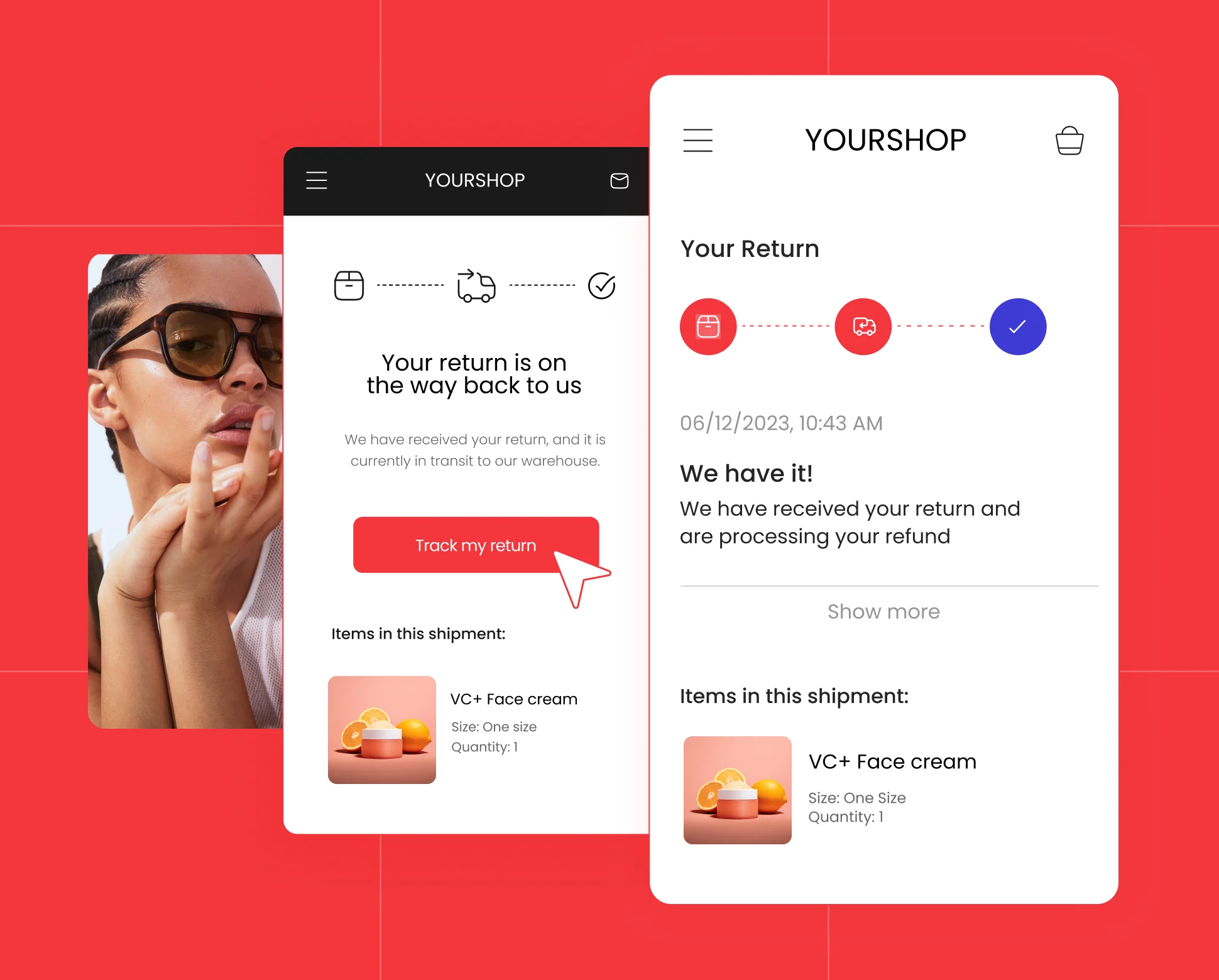
Automated, branded updates are key, especially if you don’t offer exchanges or if they decide not to do an exchange. A “Your return has arrived” message should feel like a thoughtful touchpoint, not a system alert. Keep customers informed at every stage: when the return is received, processed, and refunded (or exchanged).
4. Turn return data into smarter product and CX decisions
Returns tell a powerful story if you know how to listen. Each returned item is a piece of feedback about your products, descriptions, or even customer expectations.
By tracking reasons for returns, you can uncover trends that inform future improvements:
- Are customers saying “not true to size” for one specific product line?
- Is a certain SKU being returned at a higher rate than others?
- Are packaging or shipping damages leading to unnecessary returns?

This data is gold. Feed it back into your product development, merchandising, and CX strategies to reduce future returns while enhancing the experience.
5. Turn post-holiday returns into brand-building moments
After the frenzy of peak season, returns might feel like a setback. But for customers, this is your chance to prove your brand promise holds up even when things don’t go perfectly.
Every smooth return, every empathetic communication, every fast refund builds trust. And trust, not discounts, is what drives customer lifetime value.
Here’s the mindset shift: returns aren’t just an operational burden. They’re an engagement opportunity. When a customer says, “This didn’t work for me,” your response shapes whether they come back next time.
Retailers who invest in their post-purchase and returns experience now will not only recover faster from peak season but also set the tone for the year ahead.
6. Reflect, reset, and reinforce your strategy for the year ahead
As we head into a new year, retailers that prioritize the entire customer journey, from checkout to returns, will emerge stronger. After you take a slight breather from the chaos that is peak season and returns, be sure to reflect on what worked well and what didn’t. Talk to other eCommerce professionals and see what worked well for them this year.
Then, you can start planning on how to make things even better for your customers next year so you can continue to build a loyal fan base. After all, it’s cheaper to keep a customer than it is to make a new one.
Looking for something new in 2026?
If this year doesn’t go according to plan, don’t fear, there are other options out there. With parcelLab’s returns management solution, retailers can:
- Reduce return-related costs and manual workloads
- Offer flexible refund and exchange options to keep revenue in the business
- Deliver on-brand communication throughout the returns journey
- Gain actionable insights that inform future decisions
We understand that it’s not just about handling the rush. It’s about mastering it.
Because when you manage returns well, you don’t just fix problems. You create brand advocates who remember that even when things went wrong, your experience still felt right.
Liked this Post? View more related posts below